
Slower than Tokyo, quieter than Osaka—Kyoto (京都) feels like a city wrapped in the word “etiquette.”
People speak softly, and even street signs seem to whisper. The atmosphere itself encourages calm and formality.
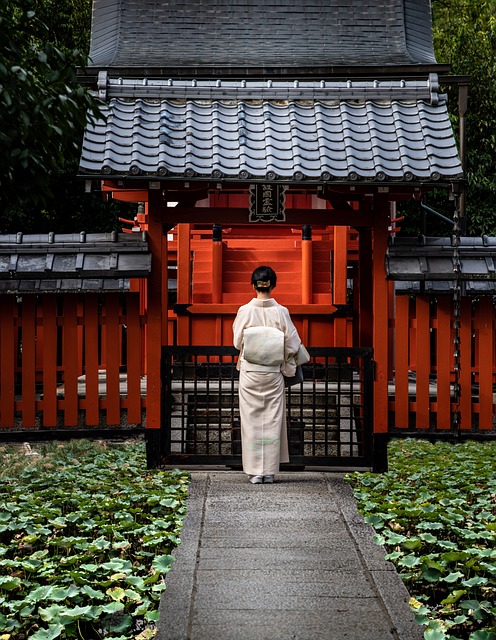
Greetings and Orders—Soft and Subtle
Step into a traditional tea house in Kyoto, and the first thing you’ll hear is:
「いらっしゃいませ」 (Irasshaimase) – Welcome!
But unlike the energetic tone you might hear in Tokyo or Osaka, in Kyoto it’s spoken almost like a gentle whisper.
Even when ordering, people often say:
「お抹茶を一つお願いできますか?」
Could I kindly ask for one matcha, please?
Language note:
This uses a polite request form—「お願いできますか?」 (onegai dekimasu ka?)—which is even more formal than the more common 「〜してもいいですか?」 (Is it okay if I…?).
In Kyoto, such soft, indirect speech is not just appreciated—it’s the norm.
Kyoto: Japan’s Symbol of Formality
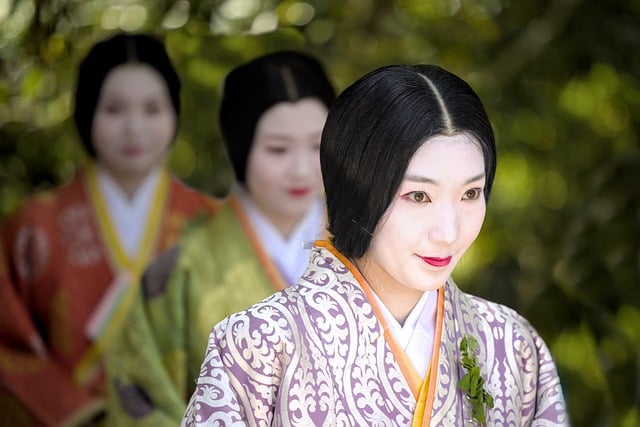
Across Japan, formality matters, but Kyoto is exceptional.
This ancient capital preserves many classical traditions—from kimono culture to tea ceremony customs, and even to archaic language still heard in daily speech.
For example, a store clerk might say:
「恐れ入りますが、〜していただけますでしょうか。」
Excuse me, but may I kindly ask you to ~?
The phrasing is so polite and theatrical, it can sound like something from a historical play.
Even the Signs Are Polite?
Yes, even public signs reflect Kyoto’s refined tone.
A button that simply says 「押してください」 (Please press) in Tokyo might instead read:
「恐れ入りますが、押していただけますか?」
We humbly ask—could you kindly press the button?
In Kyoto, direct instructions are often avoided in favor of indirect, respectful phrasing.
Cultural Summary
| Category | Kyoto Style | General Japanese |
|---|---|---|
| Greetings | Slow, soft, and gentle | Clear and upbeat |
| Ordering food | Polite request forms | More casual acceptable |
| Public signs | Indirect and humble | Direct instructions common |
Final Reflection: Understanding a Country Through Its Cities
The phrase “Japanese culture” can feel too broad.
But walking through Kyoto, you begin to feel what Japan values: restraint, respect, and refinement.
By contrast:
- Osaka is cheerful and casual—its people full of jokes and warmth.
- Nagasaki reflects openness through its multilingual, multicultural past.
Culture in Japan often takes shape through its cities—each one a face of a deeper national character.
For language learners: Kyoto is a wonderful place to study politeness in Japanese—not just in textbooks, but in real life. From shop interactions to street signs, every word carries nuance, and learning to hear it is part of the cultural journey.

 LANGLOBE® Official(ラングローブ公式)